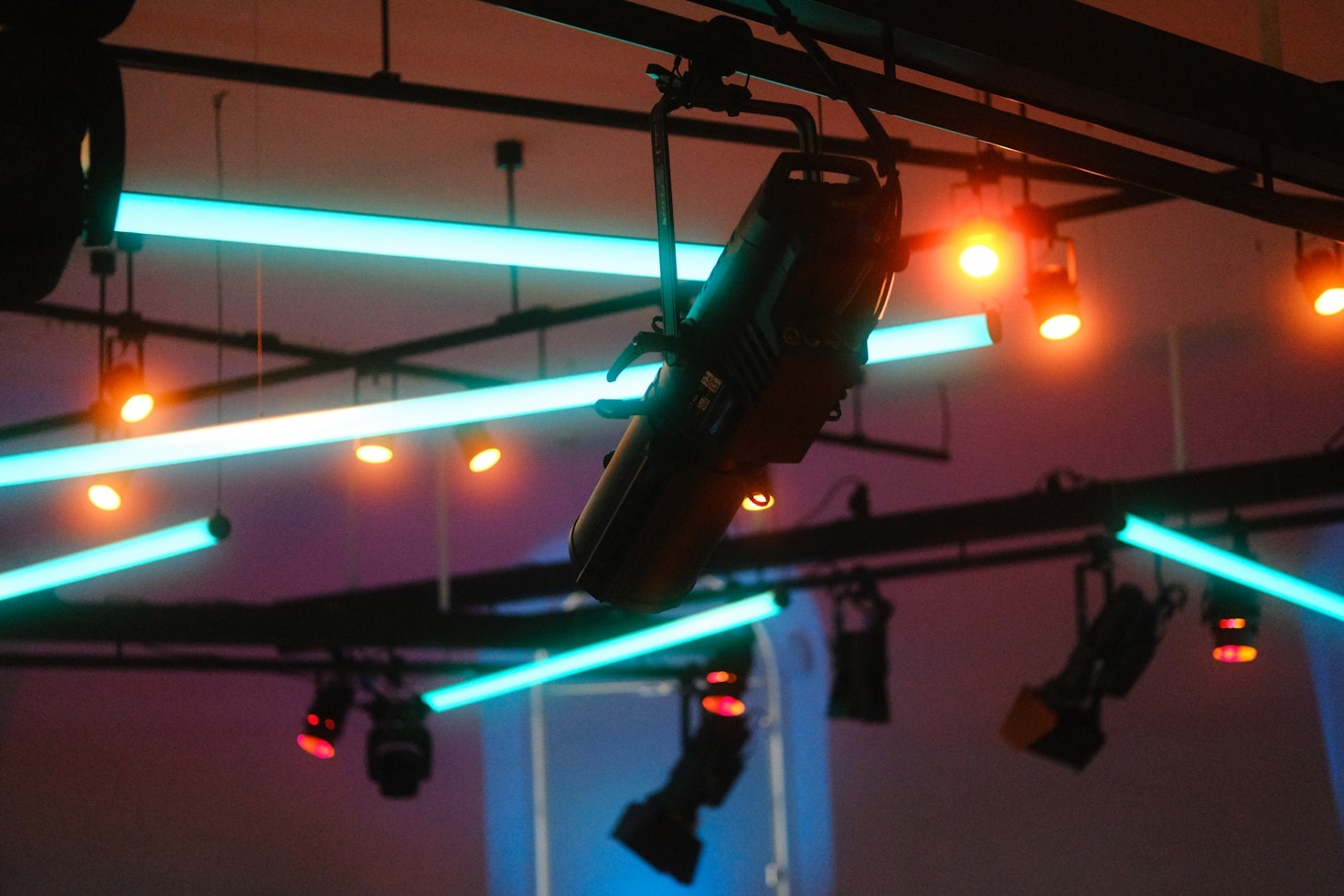
Contemporary art has expanded far beyond traditional painting and sculpture, embracing new materials, technologies, and modes of expression. Among the most dynamic developments in recent years is the rise of 3D creations—artworks that occupy space physically or digitally, challenging conventional ideas about form, perception, and interaction. These creations draw on a wide range of tools, from handcrafted techniques to advanced digital modeling, additive manufacturing, and immersive environments.
Three-dimensional works today often blur the boundaries between art, design, engineering, and architecture. Artists experiment with unconventional materials such as recycled plastics, industrial components, biodegradable substances, and even living organisms, pushing both aesthetic and conceptual limits. At the same time, technologies like 3D printing, photogrammetry, and virtual reality have opened new pathways for constructing form, allowing artists to translate digital imagination directly into physical or virtual space.
“When Depth Becomes Expression.”
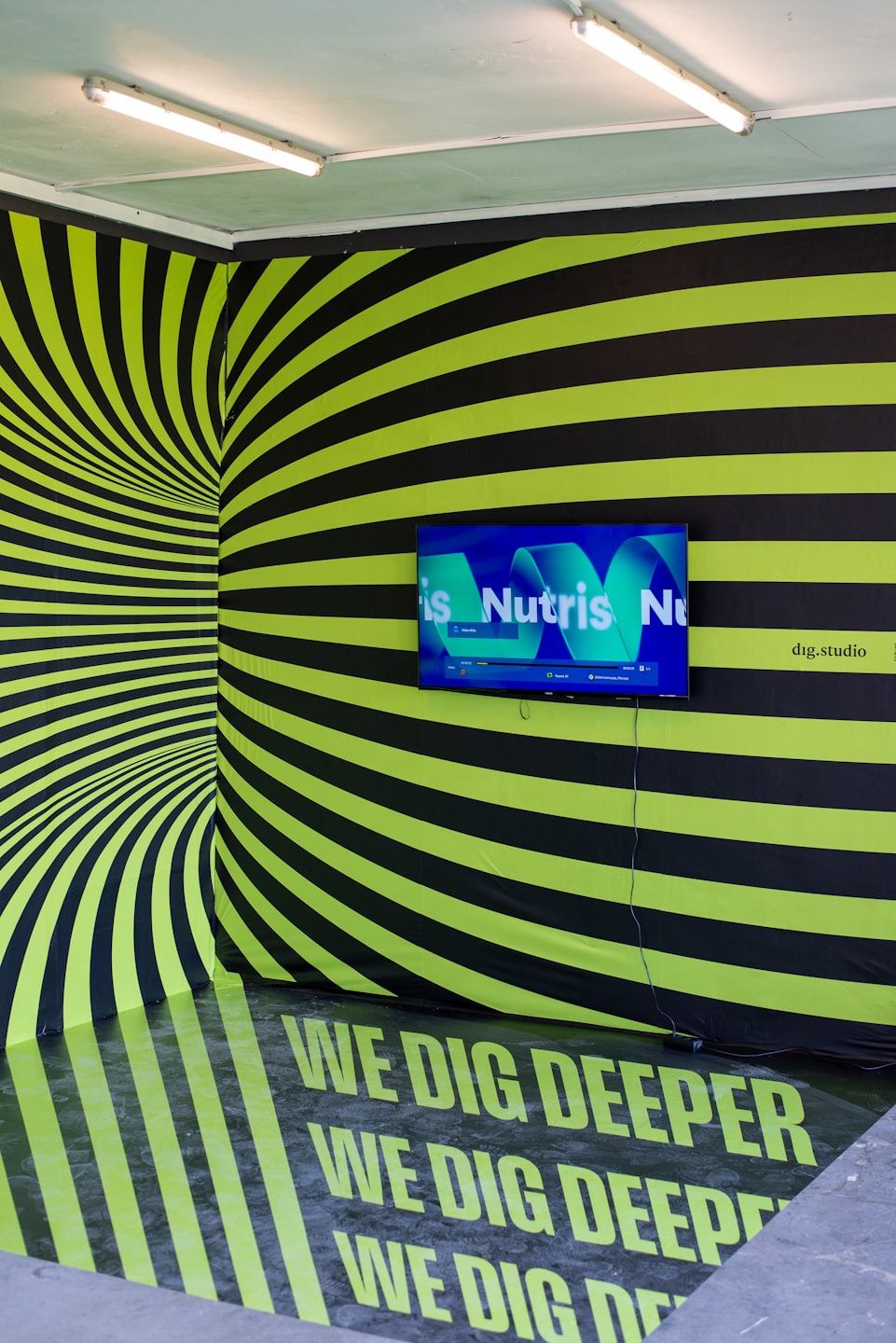
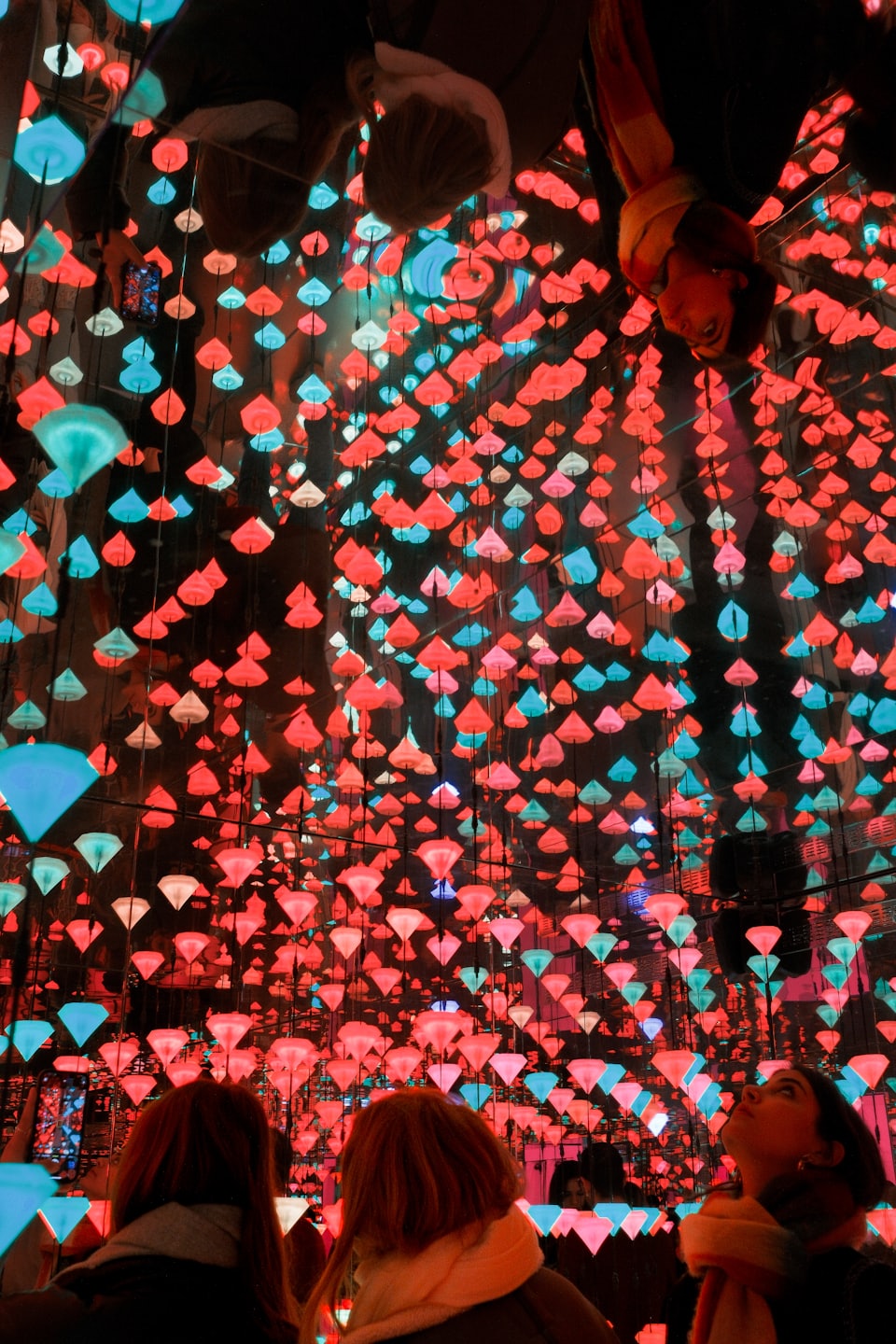
A defining feature of contemporary 3D art is its emphasis on viewer engagement. Many works invite audiences to move around them, step inside them, or interact with them through light, sound, and motion. This spatial dimension fosters immersive experiences that alter how viewers understand the artwork and their relationship to the environment. By transforming space into an active component, 3D creations encourage deeper sensory and emotional encounters.
Furthermore, the rise of digital platforms has expanded the concept of three-dimensional art into the virtual realm. Artists now produce 3D models, animations, and augmented reality installations that exist independently of physical objects, reflecting shifts in how society navigates digital and physical worlds. These works raise new questions about authorship, permanence, and the nature of artistic experience.
Ultimately, exploring 3D creations in contemporary art reveals a landscape defined by innovation, hybridity, and limitless possibilities. Whether crafted by hand or generated through advanced technologies, these works demonstrate how artists continue to reshape spatial imagination and redefine what art can be in the twenty-first century.
Leave a Reply