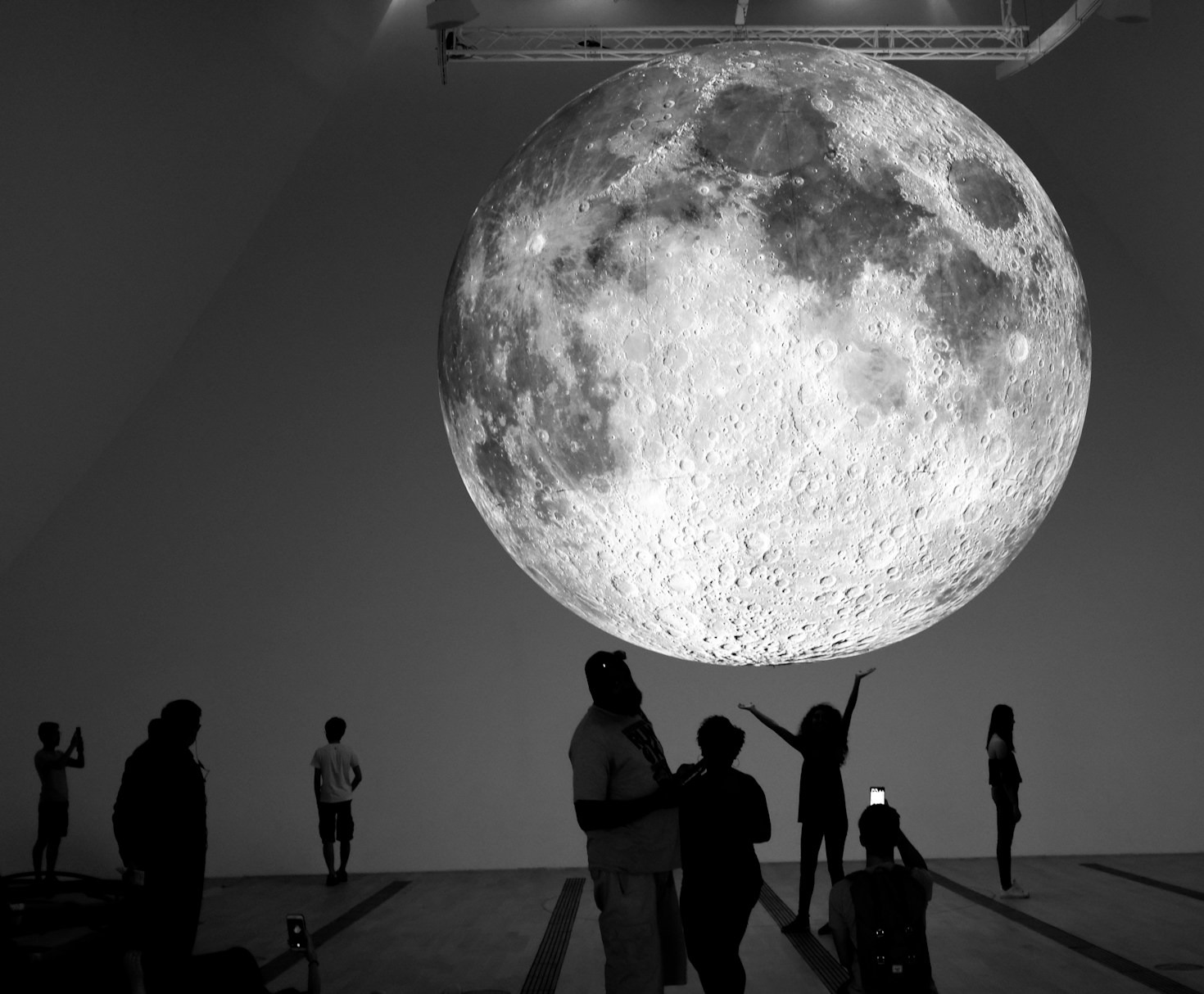
Media art and robotics are evolving at an unprecedented pace, redefining how we create, interact, and experience contemporary artworks. As technology becomes more integrated into artistic practice, new forms of expression emerge—blurring the boundaries between the digital, the physical, and the human.
One major trend is the rise of responsive robotic installations, where machines equipped with sensors, actuators, and intelligent behaviors react to movement, sound, or emotional cues. These robotic artworks introduce a new kind of dialogue between the viewer and the machine, transforming passive observation into meaningful interaction.
Another defining trend is the integration of AI-driven creativity, enabling generative visuals, autonomous behaviors, and adaptive systems that evolve in real time. Artists increasingly use machine learning to explore patterns, gestures, or data, creating fluid and unpredictable aesthetics.
“Redefining Creativity Through Robotics.”
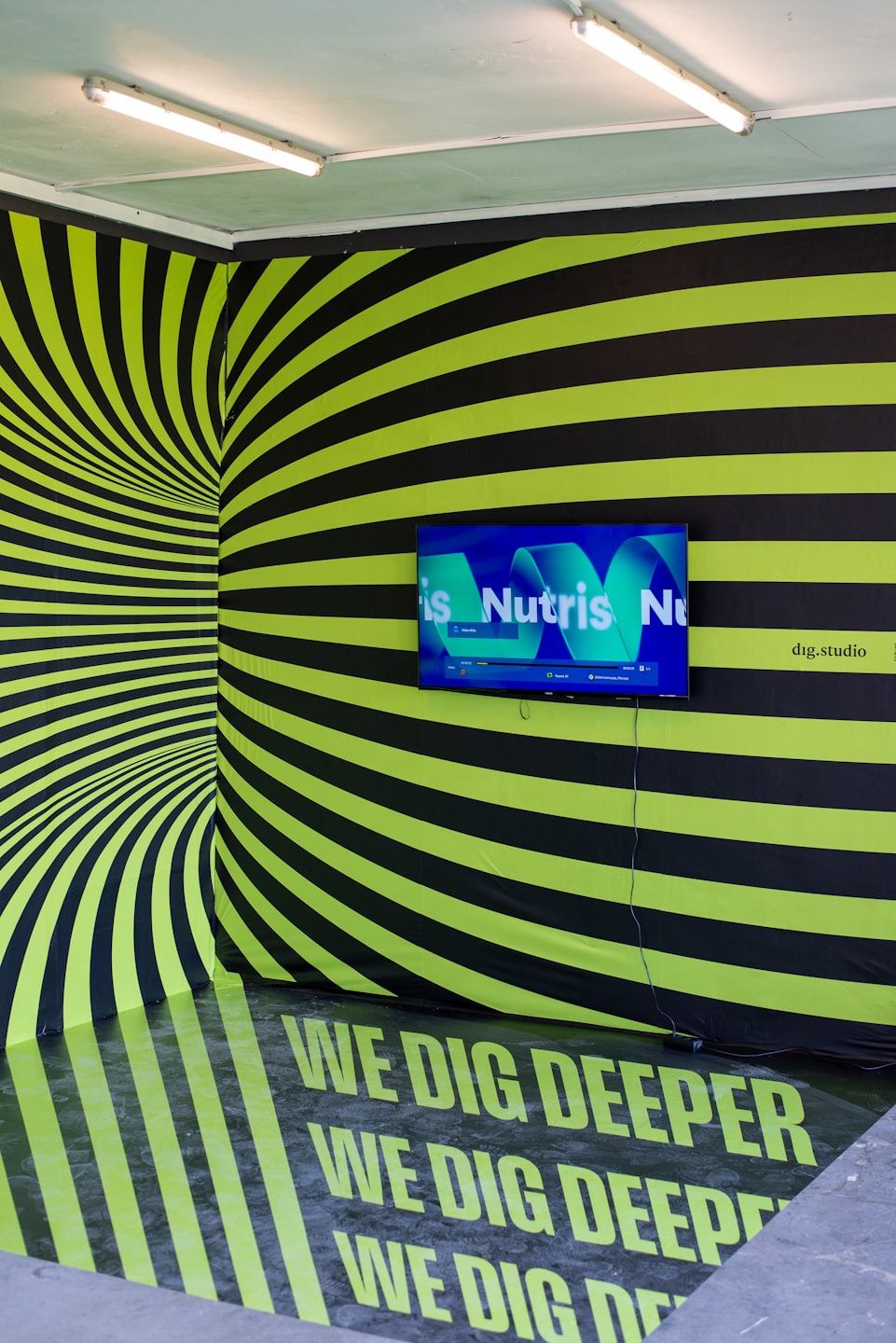
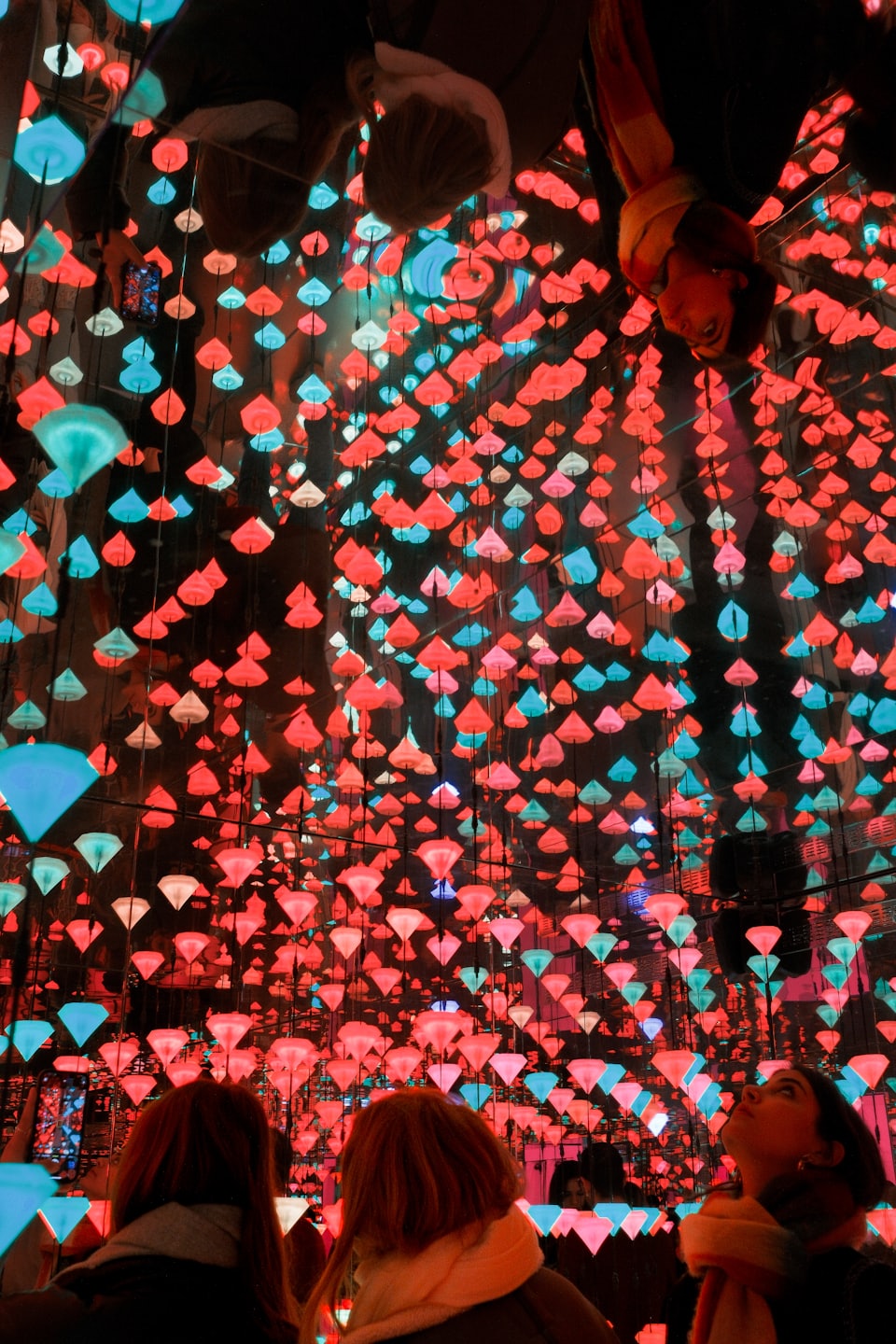
Hybrid installations that merge robotics with light, projection mapping, sound design, or 3D environments are also reshaping the landscape. These multimodal experiences immerse audiences in layered sensory worlds, where each technology amplifies the others.
Finally, performative robotics—robots collaborating with dancers, performers, or the public—bring a new dimension to embodiment and presence, raising questions about motion, empathy, and the future relationship between humans and machines.
Together, these trends represent a bold shift toward art that is dynamic, intelligent, and deeply interactive—expanding the possibilities of what media art and robotics can express in the modern era.
Leave a Reply