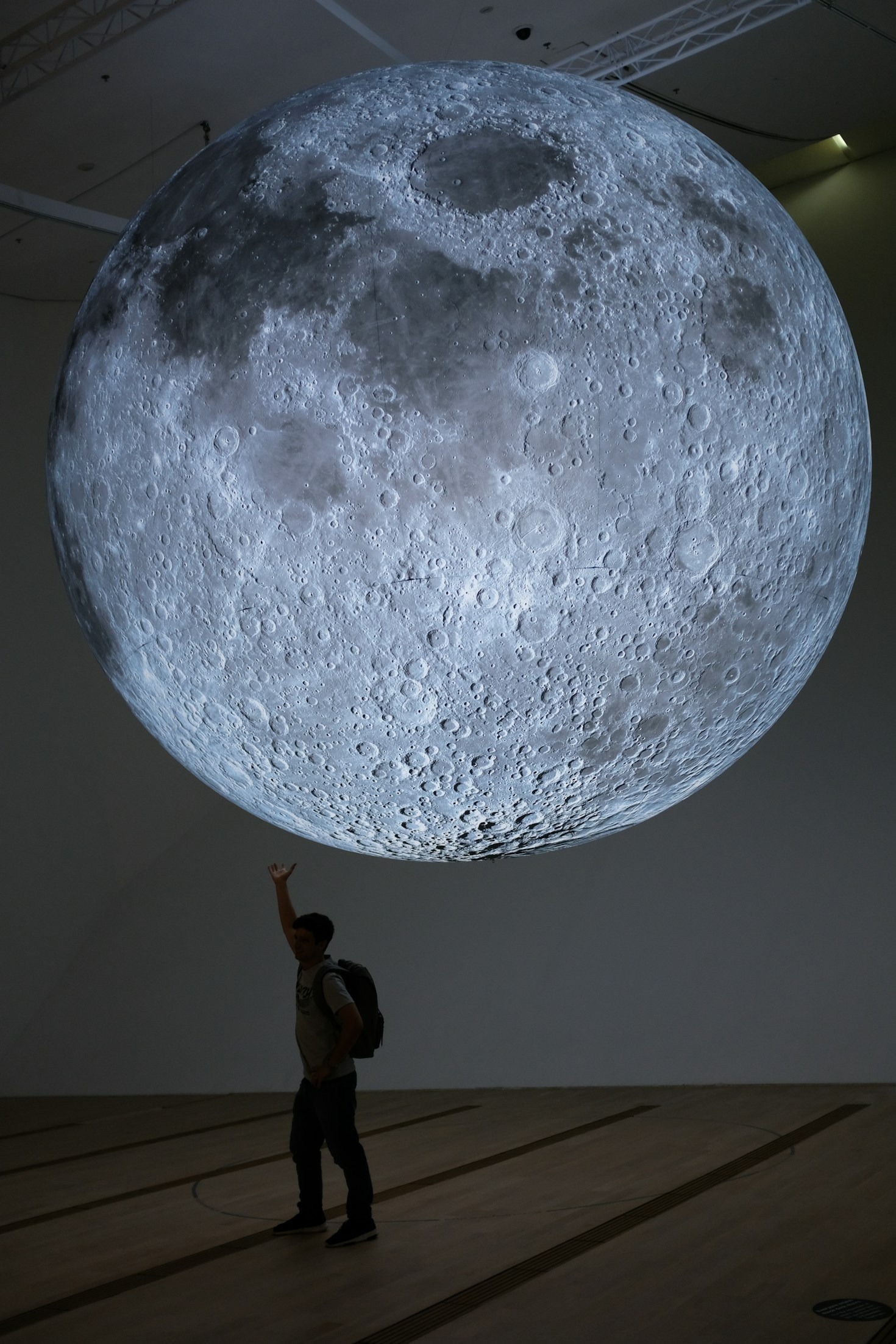
Video mapping—also known as projection mapping—has emerged as one of the most transformative visual art forms of the contemporary era. By projecting digital imagery onto physical surfaces, artists and designers can reshape the appearance of buildings, objects, and landscapes, turning ordinary structures into dynamic canvases. This technique blends art, technology, and architecture, creating immersive experiences that challenge traditional boundaries of visual storytelling.
At its core, video mapping uses specialized software to match projected visuals with the contours and textures of a real-world surface. When executed with precision, the result is an illusion of movement, depth, and transformation that can make static objects appear to shift, break, morph, or come alive. Because the projections are customized to the geometry of each surface, every installation is inherently site-specific, allowing artists to engage directly with the history, scale, and context of a location.
“Turning Spaces Into Spectacle.”
In recent years, video mapping has evolved beyond spectacle. Artists use it to explore themes such as memory, identity, urban change, and the relationship between digital and physical realities. Museums and galleries incorporate projection mapping to enhance exhibitions, while performance artists use it to expand the possibilities of theater, dance, and live music. Public festivals and citywide celebrations frequently adopt video mapping to animate architecture and foster shared cultural experiences.
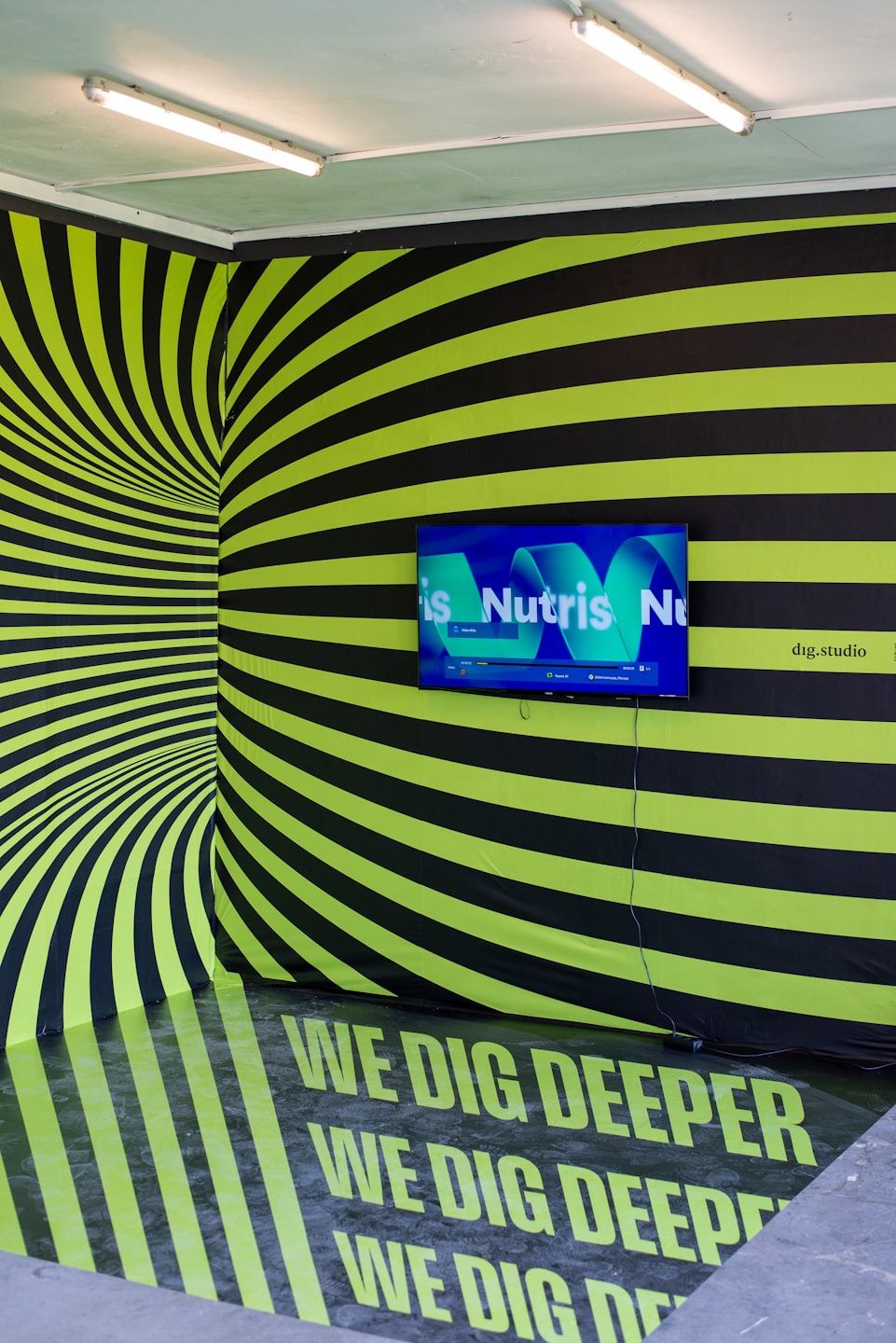
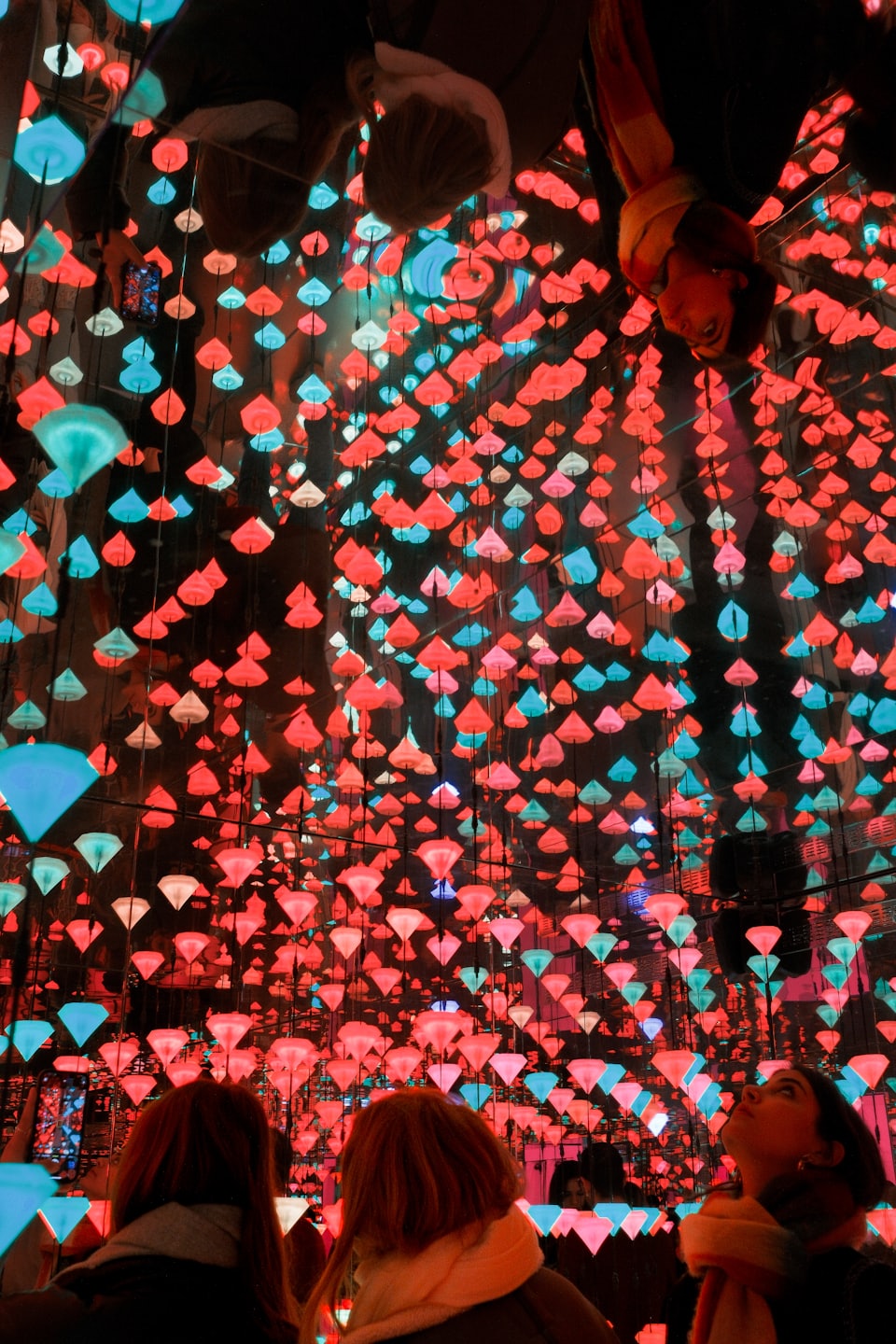
The rise of accessible software, portable projectors, and high-resolution imaging has democratized the practice, enabling creators at all levels to experiment with this medium. As augmented reality and real-time rendering technologies advance, video mapping continues to expand its expressive potential—merging interactive elements, sound design, and generative visuals to craft environments that respond to audiences or evolve over time.
Ultimately, video mapping redefines visual experience by transforming space into a fluid, imaginative domain. It invites viewers to reconsider the surfaces around them—not as static structures, but as living interfaces where art and technology converge.
Leave a Reply